
-
Call Us Now: +852-590-555-89

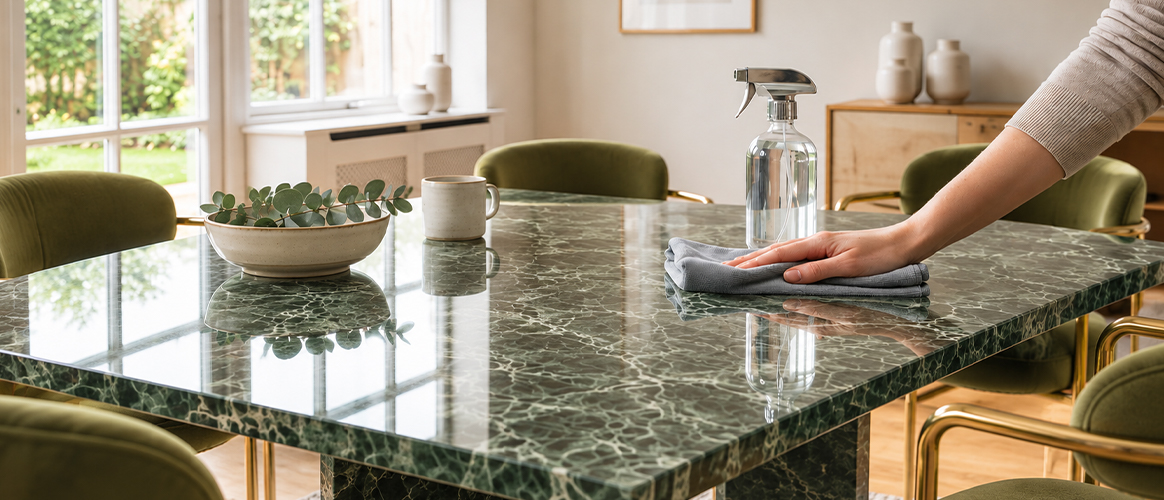
Marble dining tables look effortlessly dramatic in photographs, but real homes involve spilled coffee, hot plates, fingerprints, noisy dinners, and people who forget coasters. So, is marble actually practical, or is it simply beautiful furniture with demanding habits? The honest answer sits somewhere between admiration and commitment. Marble can transform a dining room, hold visual appeal for years, and make ordinary meals feel important. It can also stain, scratch, etch, chip, and test your patience. Before choosing one, you deserve more than polished sales language. Here is the unfiltered truth about living, eating, hosting, and occasionally panicking around marble.
Marble has survived in architecture and sculpture for centuries, so people often assume it can tolerate anything. Strength, however, doesn’t mean immunity. A marble dining surface can handle regular meals, serving dishes, decorations, and household activity, but it may react to sharp objects, heavy impacts, acidic ingredients, or sudden temperature changes.
That distinction matters. The table will not collapse because someone serves dinner on it, yet the finish may change when lemon juice sits unnoticed or a rough ceramic bowl slides across the surface.
Owning marble becomes easier once you quit viewing it as either or invincible. It is a durable natural material with specific sensitivities. Respect those limitations, and the table can remain a striking part of everyday life without turning each meal into a tense event.
Natural veining is one of marble’s defining qualities. It is also why the table delivered to your home may not look identical to a showroom sample or online image.
One section might contain bold lines, cloudy patches, mineral marks, or subtle color shifts. These are not necessarily defects. They are characteristics formed within the stone and contribute to the individuality of each slab.
People who tend to enjoy organic variation often find this exciting. This who expect visual symmetry may find it frustrating. Before purchasing, ask whether you can view the actual slab or detailed images of the finished surface. Pay attention to vein direction, tonal changes, and how the pattern falls near the edges.
Marble doesn’t arrive looking machine-made. That unpredictability is either part of its charm or a reason to consider another material.
Here comes the reality nobody enjoys hearing: common dining ingredients can affect marble. Lemon, vinegar, wine, tomatoes, and certain sauces acids that may react with the stone. This can create dull patches known as etching.
An etch is not always a dark stain. It often looks like an area where the sheen has changed. On polished marble, it may become visible when light crosses the surface. Honed finishes can make such changes less noticeable, though they don’t make the stone immune.
Promptly blotting spills reduces exposure, but nobody can promise that every accident will disappear without a trace. If your household sees dinner like a lively contact sport, accept that marks may eventually appear.
The question is not whether marble can change. The question is whether those changes will bother you.
People often tend to describe every marble mark as a stain, but stains and etches are not the same. A stain occurs when a substance absorbs into the stone and changes its colors. Oil, coffee, wine, or deeply pigmented foods may create this result.
Etching changes the finish rather than color. Acid reacts with the stone, leaving an area that looks duller or has a different texture. Cleaning alone may not remove it because the surface itself has changed.
Understanding the difference helps you respond appropriately. Aggressive scrubbing may spread a spill or create additional marks. Random household products can also make matters worse.
Use a soft absorbent cloth to blot liquids and follow guidance suited to the specific stone and finish. When uncertain, seek advice from the seller or an experienced natural-stone service provider before experimenting with unfamiliar products.
Marble dining tables may be sealed to reduce how quickly liquids absorb into the surface. Sealing can provide valuable time to respond to spills, but it doesn’t create an impenetrable layer.
A seated table can still etch because sealers generally address absorption rather than acid reactions. It may also develop stains if a spill remains long enough or if the sealer has weakened.
Ask whether the table arrives sealed, what product was used, and when another application may be needed. Reapplication timing varies according to the marble, finish, usage, and product instructions. Avoid assuming that one schedule suits every table.
Think of ownership as sensible support rather than a reason to abandon coasters and place-mats. It can make ownership easier, but daily habits still shape how the surface ages.
A polished finish creates a glossy, reflective appearance that intensifies color and veining. It delivers visual drama, especially beneath pendant lighting. The drawback is that dull etch marks may become easier to notice against the surrounding shine.
A honed finish has a softer, matte appearance. It often feels more relaxed and may disguise minor surface changes more effectively. However, it can still absorb spills and develop marks.
Neither finish eliminates upkeep. The choice should depend on your visual preference and tolerance for visual change. If you love strong reflections and crisp contrast, polished marble may feel worth the added attention. If you prefer a quieter surface that develops character less dramatically, honed marble may fit your lifestyle more naturally.
Do not choose solely from photographs. View both finishes under lighting similar to your dining room.
Marble ownership doesn’t require an overflowing cabinet of specialized bottles. For routine cleaning, a soft cloth and a mild product suitable for natural stone are generally enough. Remove crumbs, blot spills, wipe gently, and dry the surface afterward.
The real challenge is avoiding unsuitable products. Abrasive powders, rough pads, acidic cleaners, and strong general-purpose formulas may affect the finish. A product that works beautifully elsewhere in the home might not belong on marble.
Read the table supplier’s cleaning guidance and keep it accessible. Make the recommended cloth and cleaning product easy to reach so responding to spills feels automatic.
Daily maintenance is not complicated, but consistency matters. If your usual cleaning method involves spraying whatever bottle is nearby, marble may ask you to become slightly more selective.
If you dislike coasters, place-mats, trivets, and serving boards, marble may challenge your dining habits. These accessories reduce direct contact with drinks, hot cookware, rough dishes, and acidic foods.
They don’t need to make the table look hidden or overly formal. Choose materials and colors that complement the veining. Woven mats can warm a cool surface, while simple fabric runners add softness without covering the entire slab.
Keep protective accessories nearby rather than stored in another room. People use them more consistently when they are convenient. A tray containing coasters can also become part of the centerpiece.
The goal is not to wrap the table in protection until nobody can see it. Strategic coverage lets the marble remain visible while supporting the lively, faulty reality of shared meals.
Marble tables can be remarkably difficult to move. The weight affects delivery, placement, flooring, assembly, and future rearrangement. This is not furniture you casually drag aside before a party.
Measure doorways, hallways, elevators, stairwells, and turning points before ordering. Confirm whether the surface detaches from the base and whether delivery includes indoor placement and assembly. A slab that fits through the entrance may still struggle around a narrow corner.
Consider the floor beneath it as well. Protective pads may help prevent scratches and distribute pressure beneath concentrated contact points. If you use a rug, select one stable enough to remain flat.
Plan the position before arrival by marking the dimensions on the floor. Once the table is assembled, you will be grateful that the chosen location already works.
Marble dining tables are chic, expressive, and capable of defining an entire room. They are also porous, heavy, sensitive to acids, and likely to change through use. Both descriptions can be true at once.
The secret is not finding marble without maintenance. It is deciding whether the visual reward justifies the habits it requests. For many owners, the answer is yes. A coaster feels like a small compromise for a table with natural movement and presence. For others, the possibility of etching and staining removes the enjoyment.
Do not buy marble because it looks impressive in a styled photograph. Buy it because you understand the material and still want to live with it.
That is the brutal truth. Marble is neither an untouchable museum piece nor an effortless surface. It is beautiful, demanding, distinctive, and entirely worth considering with open eyes.